JEFF CUBOS
  • Blog
  • OLAD
  • Reviews
    • CE Reviews
    • Research Reviews
    • Book Notes
  • QUOTES
  • About

The Efficacy of Manual Lymphatic Drainage

12/8/2009

0 Comments

 
The following is a summary of a recent article in The Journal of Manual & Manipulative Therapy answering the question "Does manual lymphatic drainage actually do what its meant to do?"

Systematic Review of Efficacy for Manual Lymphatic Drainage Techniques in Sports Medicine and Rehabilitation: An Evidence-Based Practice Approach (Vairo et al: 2009)

Dating back to at least the days of Andrew Still, the founder of Osteopathy, Manual Lymphatic Drainage Techniques (MLDTs) have been utilized in manual therapy settings in an attempt to theoretically:

  • increase lymph circulation, thereby stimulating the lymphatic system,
  • facilitate the removal of biochemical wastes,
  • reduce edema by way of improving fluid dynamics, and
  • decrease bodily stresses

Unfortunately however, as with many manual therapy techniques, the efficacy of MLDTs in the sport medicine realm lacks solid scientific evidence and therefore, must simply be appreciated for its empirical evidence.
Specifically speaking, Vairo et al, recently published their systematic review that can be outlined as follows:

METHODS

  • A Participant, Intervention, Comparison, Outcome (PICO) model was used to evaluate the currently available literature
  • The authors utilized the following definition of manual lymph drainage, taken from MedlinePlus:

"a light massage therapy technique that involves moving the skin in particular directions based on the structure of the lymphatic system. This helps encourage drainage of the fluid and waste through the appropriate channels."


  • Inclusion criteria: systematic reviews, RCTs, and cohort studies. Original research studies, pilot, and case studies were also included due to the paucity of research available.

RESULTS & DISCUSSION

  • Nine articles were included: 3 RCTs, 1 pilot study, 2 case studies, and 3 animal-model studies
  • RCT 1: MLDT following experimentally, exercise induced muscle damage
  • RCT 2: MLDT following radial wrist fracture
  • RCT 3: MLDT following an acute ankle sprain

Several modes of MLDTs have been described including the Vodder method, as well as lymphatic pump techniques. From this published review, it was revealed that solid scientific evidence to support MLDTs in sport medicine is lacking and therefore, its use can be attributed primarily to anecdotal evidence. However, to date, the strongest evidence in support of MLDTs, based on this review, lies merely in 3 RCTs; suggesting it potential efficacy in regulating serum levels of enzyme associated with acute muscle damage, as well as reducing edema induced by distal radius fracture and acute ankle sprain. As such, caution must be taken when making definitive recommendations for clinical practice guidelines in the management of sports injuries with manual lymphatic drainage. Yet from a scientific standpoint, a call for consistency of MLDT protocols in intervention research is necessary in order to effectively make comparisons across studies so that the efficacy, optimal treatment durations, and an ideal rate and frequency of MLDTs for sport injuries can be determined.

0 Comments

Negative Effects of Static Stretching Negated?

12/2/2009

0 Comments

 
It goes without saying that the "commonly" held belief about stretching entering 2010 is that an athlete should not perform static stretches immediately prior to competition. 

We have a long way to go before we can convincingly tell ourselves when and when not to stretch, but before you proceed with forming an opinion, here's another study to add to your growing list of research papers pertaining to stretching and performance. In particular, feel free to throw this paper in the "Yes" (to stretching) basket.

Negative effect of static stretching restored when combined with a sport specific warm-up component
 (Taylor et al, 2009)

Purpose:
  • To examine whether the "typical" decline in performance attributed to static stretching still exists following a sport-specific warm-up.

Outcome measures:
  • Speed (20m sprint)
  • Leg extensor strength (countermovement vertical jump)

Subjects:
  • 13 netball players (gender not reported)

Methods:
  • Players performed a submaximal run
  • This was followed by an acute bout of static stretching (experimental group) or dynamic stretching (control group)
  • Performance tests were then administered (20m sprint and CM VJ)
  • A netball-specific skill warm-up was then performed
  • Performance tests were repeated

Static stretches:
 calves (standing), achilles tendon (kneeling), hamstring (seated), gluteus maximus (seated with forward lean), quadriceps (standing), lower back (lying), groin (seated), hip flexor (kneeling), quadratus lumborum. All stretches were held for 30s.

Dynamic stretches:
 high knees, butt flicks, carioca, hamstring swings, groin swings, arm swings, rapid high knees, side stepping, spiderman walks, upper body rotations, vertical jumps, countermovement jumps, and sprints.

Netball-specific skill warm up:
 short sprints, shuffling, accelerations, direction changes, single and double legged jumps. THese were performed at game intensity or just slightly below.

Results:
  • Static stretching group performed worse than those in the dynamic stretching group during the first testing procedure (following a bout of only static OR dynamic stretching)
  • Post sport-specific warm-up, this study revealed NO DIFFERENCES between the two groups in the sprint and leg extension power tests.

Notes:


The authors admit that the initial differences may be due to differences in muscle temperature between the static and dynamic groups. (This was not confirmed)

  1. The authors suggest that static stretching, if included in a warm up, should be performed prior to mod- to high-intensity warm-up activities that are skill based.
  2. The authors recommend that the total time under tension for each muscle group should be no greater than 2 min (30 s - 2 min).

My opinions on this study:
  • The static stretches included were too vague to be able to replicate this study with high precision (no images/pictures included)
  • The static stretching protocol was too general (seemed to lack intent)
  • Too many variables were included and not controlled for (i.e. via multiple regression analysis)
  • Regardless, this does seem practical and I would like to see more studies performed to help solidify their argument.

0 Comments

How the Swim Affects Triathlon Performance

11/20/2009

0 Comments

 
The ability to perform well during a triathlon is dictated by one’s ability to perform optimally in each of its three disciplines: swimming, biking, and running. Previous research has demonstrated that running performance during a triathlon is affected by cycling intensity, cadence, bicycle frame geometry, power output consistency, and drafting. However, very little research, if any, has looked at the relative contributory effect of swimming on overall performance in a triathlon. As such, Peeling & Landers conducted a review of the literature pertaining to Swimming intensity during triathlon that was recently published in the Journal of Sports Sciences.

The authors of this review cited previously conducted research by Vleck, Laurse, Kreider, Delextrat, McCole, Bentley, Chatard, themselves, and several others. Based on this review, the current state of the literature can be summarized as follows:
​
  • The best overall race performers were faster in the first few hundred meters (~ 200 to 500m) of the swim and slower swimmers generally expend more energy during the bike leg in order to “catch up” to those who exited first. These have correlated to overall performance and demonstrate the importance of being in the first pack of cyclists.
  • Swim intensities of 80-85% and 90-95% have enabled athletes to cycle at greater power outputs than 100% swim intensities during sprint-distance triathlon. However, those who swim at 80-85% intensity also run 1% quicker than those who swim at 100% intensity.  Therefore, in consideration of the point noted above, an athlete’s swimming ability must enable them to swim with the front pack while simultaneously staying within 80-90% of maximum effort.
  • Drafting during the swim (in order to minimize frontal resistance) certainly contributes to minimizing one’s intensity at a given speed as it has been shown to lower athletes’ heart rates and blood lactate concentrations. Further, with respect to the cycling leg, drafting during the swim has been shown to correlate with higher cycling efficiency as well as mean and peak power output. Thus, in order to minimize the physiological demands of swimming, one must swim 0-50 cm behind the toes or 500-100 cm lateral and behind the hands of the athlete he or she is drafting off of. This in turn, may allow one to maintain ideal positioning within the front pack with minimal effort.
  • Wetsuits are intended to increase buoyancy and therefore decrease both hydrodynamic and passive resistance during the swim. These have been shown to improve swim time with relatively less energy cost (stroke rate, oxygen consumption and blood lactate accumulation), therefore saving energy that may be utilized in later portions of the race. It should be noted that wetsuits have also been found to increase body and skin temperature and therefore, may induce heat stress in an athlete.
  • Speedsuits, on the other hand, decrease frictional resistance between the athlete’s skin and the water and do so with minimal effect on body temperature. These have been shown to improve swim time without affecting stroke rate, stroke length, and blood lactate accumulation. Therefore, speedsuits should be utilized at temperatures greater than 25 degrees (Celcius) or when wetsuits are not permitted.

​It was no secret that the various strategies mentioned above are utilized during the swim leg of a triathlon in order to increase the likelihood of a optimal results. However, Peeling & Landers were perhaps the first to document all variables through this review in its entirety. It should be noted, however, that the majority of research has solely focused on the Sprint and Olympic distances and therefore, the recommendations pertaining to long course races (70.3 and Ironman) may differ.
0 Comments

Nutrition and Athletic Performance

11/18/2009

0 Comments

 
Picture
The following post highlights some of the key points provided in the most recent position paper on Nutrition and Athletic Performance. It should be noted that this position paper was produced based on the the current state of the literature and that an Evidence Analysis Process (American Dietetic Association) was utilized to standardize this review.

This paper was jointly provided by the  Dietitians of Canada, the American College of Sports Medicine, and the American Dietetic Association, and it was their position that physical activity, athletic performance, and recovery from exercise are enhanced by optimal nutrition. These organizations recommend appropriate selection of food and fluids, timing of intake, and supplement choices for optimal health and exercise performance.

​Highlights of this Position paper

Carbohydrate recommendations: 6-10g/kg (2.7-4.5 g/lb) BW per day or ~60% of total energy intake

Protein recommendations: 1.2-1.7 g/kg (0.5-0.8 g/lb) BW per day
  • Endurance Athletes: 1.2-1.4 g/kg/day to support nitrogen balance. May need to be slightly higher for ultra endurance athletes. Carbohydrates are important for protein metabolism.
  • Strength Athletes: 1.2-1.7 g/kg/day especially in the early phases of training. The more experienced athlete will utilize protein more efficiently and therefore requirements may be lower.
  • Supplementation should only be directed primarily at optimizing the training response to and the recovery period following exercise. No evidence it directly improves performance.

Fat recommendations: 20%-35% of total energy intake.
  • Fatty acid proportion: 10% each of saturated, polyunsaturated, and monounsaturated.

Dehydration occurs when there is a water deficit > 2%-3% body mass.
  • 5-7 ml/kg BW of water or sports beverage 4 hours before exercise
  • Sodium/Potassium replaces electrolytes while sodium also stimulates thirst and fluid retention. Recommendation is a 6%-8%  carbohydrate beverage for events >1hr
  • Hyponatremia: Serum sodium concentration less than 130 mmol/L. May be due to prolonged, heavy sweating with failure to replace sodium or excessive water intake (i.e. beginner marathoners who don’t know how to replenish fuel properly)
  • 16-24 oz (450-675 mL) of fluid for every pound (0.5kg) of BW lost for replacement

Fuel during exercise: carbohydrates approx. 30-60g per hour especially in endurance events

After Exercise: carbohydrates approx. 1.0-1.5 g/kg (0.5-0.7 g/lb) BW during first 30 min. Also every 2 hours for 4 to 6 hours

Multivitamin/mineral supplement may be appropriate if athlete is dieting, lacking in a particular food group, sick or injured, or has a specific deficiency. Athletic vegetarians may be at risk for low intakes of energy, protein, fat and key micronutrients (i.e. iron, calcium, vit. D, riboflavin, zinc, and B-12). Therefore, athletes who are at greatest risk for poor micronutrient status and MAY benefit from a daily supplement are those:

Who restrict energy intake or have severe weight loss practices
Who eliminate one or more of the food groups from their diet
Who consume unbalanced and low macronutrient dense diets
  • Riboflavin, pyridoxine, folate and B-12 are frequently low in female athlete diets (especially vegetarians and those with disordered eating patterns)
  • Athletes in northern climates or train indoors throughout the year are at risk for poor Vit. D status. Should supplement at Dietary Reference Intake level (5 ug/day or 200IU ages 19-49)
  • Vit E: Endurance athletes may have higher need for Vit. E (reduce lipid peroxidation)
  • Vit C: 100-1000 mg/day for those who participate in regular prolonged, strenuous exercise.
  • Calcium: Low levels of Ca and Vit. D increase increase the risk for decreased bone mineral density and stress fractures. Females at greatest risk if energy intakes are low, dairy products are restricted, and menstrual dysfunction is present. 1500 mg of Ca and 400-800 of Vit. D are recommended for those with disordered eating, amenorrhea, and risk for early osteoporosis.
  • Iron: Usually low in females due to energy restriction or avoidance of animal products. Requirements for endurance athletes (distance runners) are increased by approx 70%. Vegetarian or blood donating athletes should aim for higher than RDA (>18mg women and >8mg men)
  • Magnesium: deficiency impairs performance by increasing O2 requirements to complete submaximal exercise. Athletes in weight-class sports (wrestling) may be deficient.

Endurance athletes may require much more than the tolerable upper intake level for sodium (2.3g/day) and chloride (3.6 g/day).

Sports drinks containing 0.5-0.7 g/L of sodium and 0.8-2.0 g/L of potassium, as well as carbohydrates are recommended for endurance sports > 2hr

Pre-exercise
  • 200-300 g of carbs 3-4 hours prior to enhance performance (Glycemic index research is equivocal/inconclusive)

During Exercise
  • 6-8% carb sports drink for events < 1hr
  • 0.7 g carb/kg BW per hour (aka 30-60 g per hour) for endurance events. 15-20 minute intervals is better than a single bolus every hour. Should be primarily glucose but may also be a mixture
  • Adding protein (to a carbohydrate drink) for performance enhancement is still inconclusive
  • Timing and composition depends on the length and intensity of the session as well as when the next event will occur.
  • 1.0 – 1.5 g of carbs/kg (glucose and sucrose) within 30 min and at 2 hour intervals up to 6 hours. However, if an athlete isn’t training until 2 days later, timing is not as important

Classification of Supplements and Ergogenic Aids

Those that perform as claimed
  • Creatine: sprinting and weight lifting but not endurance sports
  • Caffeine: CNS stimulant. Does not cause dehydration or electrolyte imbalance if used in moderation
  • Sodium Bicarbonate: a blood buffer but may cause side effects (diarrhea)
  • Protein/Amino Acids: no more or less effective than food IF energy is adequate

That may perform as claimed by evidence is still insufficient
  • Glutamine, beta hydroxymethylbutrate, colostrum, ribose

That DO NOT perform as claimed
  • Amino acids, bee pollen, BCAAs, carnitine, chromium picolinate, CoQ10, CLA, ginseng, oxygenated water

That are dangerous, banned or illegal
  • Androstenedione, dehydroepiandrosterone, 19-noreandrostendione, 19-norandrostenediol, ephedra, human growth hormone

Vegetarian Athletes
  • May be a red flag for disordered eating and increase the risk of female athlete triad
  • Protein quality of plant-based diets should be sufficient for energy. But they are less well digested (than animal sources) so a 10% increased intake is advised. Protein recommendations for vegetarian athletes = 1.3 - 1.8 g/kg/day
  • Vegetarian athletes may be at risk for low intakes of energy, fat, B12, riboflavin, Vit. D, calcium, iron, and zinc. especially iron…due to low bioavailability of non-heme plant sources.

​Therefore, female, vegetarian athletes may be at greater risk for developing iron deficiency anemia and need routine monitoring

0 Comments

Neurovascular Problems in the Athlete's Shoulder

11/6/2009

0 Comments

 
This review is a summary of my submission to Research Review Service. The information below was derived from Thompson & Driskill’s Neurovasular Problems in the Athlete’s Shoulder, recently published in Clinics in Sports Medicine. For a greater understanding of the following information, including the etiology and  management strategies of the various conditions, I strongly encourage you to read my full review.

Background Information
  • Although rare, neurovascular conditions of the upper extremity occasionally present themselves in elite athletes. These may be challenging to detect, but are certainly important for their potential to cause limb-threatening consequences. Early recognition, proper initial treatment, and urgent surgical referral increase the likelihood of rapid return to pre-injury levels of performance and more importantly, decreases the likelihood of serious complications.

Neurogenic Thoracic Outlet Syndrome

  • Arm and/or hand pain, numbness, and paresthesia that results from compression, irritation, and chronic injury affecting the roots of the brachial plexus.
  • May be caused by cervical ribs and hypertrophy of the scalene and pectoralis muscles.
  • Exacerbated with direct palpation and arm elevation.
  • Severe cases rarely seen in elite athletes

Subclavian Artery Aneurysms

  • Stenosis and aneurysm formation of the subclavian artery.
  • Typically associated with cervical ribs and atypical first ribs.
  • Thrombus and subsequent embolization, travelling to the distal arteries causing symptoms of exertional arm fatigue and/or acute digital ischemia.
  • Full return to activity generally within several months.

Axillary Artery Aneurysms and Occlusions

  • Most exclusively in baseball pitchers.
  • Humeral head translates forward during end-range extension and elevation, resulting in compression and stretching of the axillary artery combined with fixation against the tendon of the pectoralis minor.
  • Extreme repetitive motion
  • Symptoms are similar to that of subclavian artery aneurysms and include exertional arm fatigue and/or acute digital ischemia.
  • Full return to activity generally within three months.

Digital Ischemia with or without Thromboembolism and Vasospasm

  • Numbness, tingling, cold and painful sensations
  • Cyanosis or pale discoloration and delayed capillary refill.
  • Radial and ulnar pulses may be absent or decreased, and blood pressure may be diminished
  • Digital artery thrombosis: due to localized repetitive trauma associated with index and/or middle finger pressure when gripping and throwing the ball.
  • Digital artery thromboembolism: seen in catchers and results from chronic repetitive trauma to the base of the hand.
  • Digital artery spasm: seen in baseball due to the rampant use of vasoconstrictive tobacco products.

​Effort Thrombosis of the Subclavian Vein

  • Paget-Schrotter syndrome: the most commonly seen vascular disorder in young competitive athletes.
  • Compression of the subclavian vein between the clavicle and first rib.
  • Combination of positional compression and arm exertion in elevation.
  • Involves the formation of scar tissue, collateral vessels, and subsequently thrombosis
  • Swelling, cyanosis, pain, heaviness and/or fatigue.
  • Suspected if presenting with sudden onset of arm swelling and cyanosis, especially in overhead athletes (throwers, weightlifters, swimmers).
  • Urgent surgical referral is essential for full return to activity
0 Comments

Jump-Landing Biomechanics

11/3/2009

0 Comments

 
"Certain athletes are at higher risk of knee pain and non-contact knee injury than others."

The above statement is well known but unfortunately, not many of us know exactly why. Thankfully, the American Journal of Sports Medicine gave us some input into the biomechanical reasons some athletes are at risk of patellofemoral pain syndrome (sorry Mike) and potentially at risk of non-contact ACL injury. The information below is taken from two VERY recently published papers from the large scale Joint Undertaking to Monitor and Prevent ACL Injury (JUMP-ACL) study. This study examined the biomechanical variables involved in a jump-landing-rebound task.

​Biomechanical Factors Potentially Involved with Risk of Non-Contact ACL Injury
  • Lower knee and hip flexion motion (saggital plane kinematics)
  • Higher knee valgus and hip adduction angle (frontal plane kinematics)
  • Greater internal knee and hip internal rotation moment (transverse plane kinematics)
  • Greater internal knee and hip extension moment and anterior tibial shear force (saggital plane kinetics)
  • Greater internal knee valgus and hip adduction moment (frontal plane kinetics)
  • Greater vertical ground reaction force
  • Women

Biomechanical Factors Potentially Involved with Patellofemoral Pain Syndrome
  • Decreased hip abduction, knee flexion, and knee extension strength
  • Lower knee extension moments
  • Greater navicular drop
  • Decreased peak knee flexion angle
  • Women

This is what I think:
  • Women are more important than biomechanical factors (they are actually more important than many things in life)
  • Athletes need to learn to absorb the landing (land with the toes and roll back onto the heels in one fluid motion)
  • Athletes need to eccentrically control the lower extremity from collapsing in when landing (don’t land knock-kneed)
  • Feet should be shoulder width apart
  • Spine should be neutral and the core should be stiff
  • Athletes need to spend some time on the glute/posterior-chain eccentrics

​The preceeding information was derived from the two most recent issues of AJSM. It is strongly suggested that for a complete understanding, readers view the papers in their entirety as Padua et al was based on validating the Landing Error Scoring System and Boling et al interestingly found higher hip ER strength and lower ground reaction forces as risk factors.
0 Comments

Compression Socks and Running Performance

10/29/2009

0 Comments

 
The use of compression garments have increased in popularity in recent years. Research has trended toward positive results for these compression garments indicating that they may, in fact, have performance-improving qualities.  Below is a brief summary of a recently published paper looking at the Effect of Compression Stockings on Running Performance in Men Runners.

Study Methods
  • 21 moderately trained men acted as participants. These men had a history of running for > 4 years (25-70 km/wk).
  • A randomized crossover design was used that enabled the study participants to serve as their own controls (this is ideal in research to minimize the influence of external variables pertaining to the subject population)
  • A stepwise speed-incremented treadmill test was performed to voluntary maximum termination. While most races are held in external environments (i.e. outside), this permitted maximum control of pacing.
  • O2 uptake, CO2 production, pulmonary ventilation, lactate concentration, maximum heart rate, and anaerobic/aerobic thresholds were measured.
  • Below the knee compression stockings that provided 24 mmHg of compression at the ankle and consistent 18-20 mmHg at the calf were utilized. This is different than the “graduated” compression traditionally used in medical settings.

Study Results
  • Running performance demonstrated that time under load, total work, and maximum speed were significantly higher in the compression-wearing athletes. Running speeds at both anaerobic and aerobic thresholds were significantly faster in the intervention group as well.
  • No difference was found pertaining to oxygen, lactate, heart rate, and pulmonary variables.

Although it is difficult to pinpoint with 100% accuracy the exact mechanism of operation (previous studies have looked at venous hemodynamics, arterial perfusion, tissue oxygenation, muscle oscillation, lactate clearance, and DOMS), the results of this study suggest that compression socks may actually play a role in improving various aspects of run performance through mechanical efficiency. Of course, many factors may have influenced this study’s results (psychological effects, lack of placebo, etc) and most certainly does one study not preclude theoretical confirmation, however, many other studies have shown statistical significance and I have yet to read a paper that has demonstrated negative impacts on sport performance. 
0 Comments

Non-Contact ACL Injuries in Female Athletes: Where are we now?

10/26/2009

0 Comments

 
Scientific knowledge expands daily. This article was published in 2008. THEREFORE…the information you are about to read MAY contain concepts that are obsolete…READER DISCRETION IS ADVISED!

The following is a summary of the IOC current concepts statement published in the British Journal of Sports Medicine. Contained within this summary are the general principles that were established based on decades of research pertaining to ACL injuries in female athletes.  Since the amount of potential factors associated with injury are plentiful, this review is limited to only those concepts with conclusive evidence.

Epidemiology
  • As a whole, ACL injuries most commonly result from non-contact mechanisms
  • Although the rates of ACL injury in men and women are similar in professional sports, younger female athletes are at higher risk (than aged- and sport-matched males)
  • Along with men’s spring football, women’s gymnastics, soccer, and basketball have the highest injury rates per 1000/athlete exposures.
  • Consistent with most sports, injury rates are higher during competition

Risk Factors
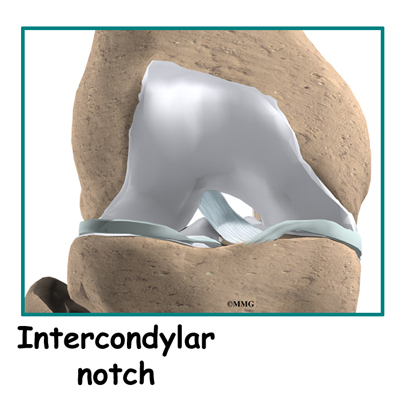
  • There is an association between intercondylar notch width and risk of ACL injury. Females generally have smaller notches than males and therefore, likely a smaller ACL. It has been suggested that these ACLs may have lower linear stiffness, fail earlier in elongation, absorb less energy, and fail with lower loads.
  • The relationships among the presence of sex hormones within the ACL and oral contraceptives with ACL injury risk are still inconclusive.
  • Women appear to be at greater risk of ACL injury during the pre-ovulatory phase.

Mechanism of Non-Contact Injury
  • Injuries most often occur when landing from a jump, cutting, or deceleration.
  • Kinematic analyses have revealed that women land with less knee flexion than men. Women also maintain higher knee extension and valgus during stance phases of running and cutting. Finally, women also display higher quadriceps EMG activity during max loading. Therefore, a straighter knee and higher quadriceps activation likely contribute to the injury mechanism. Other components include anterior translation, dynamic valgus in near extension, increased trunk motion, and a high load placed on the leg or foot that is away from the body’s COM.

Evaluation
  • Key components of diagnosis include: sudden knee pain during high intensity activity, inability to resume play, “popping” sensation, haemarthrosis.
  • The course of ACL injury classifies the injured into copers, adaptors, and non-copers.
  • ACL reconstruction does not warrant surgical management of the injured MCL.
  • The meniscus is associated in approximately 50% of ACL injuries. Note: Mike Reinold recently posted an excellent blog (by D. Lorenz) on meniscal testing here.
  • A thorough examination searches for articular cartilage, ligamentous, and bony/bone marrow lesions.
  • The pivot shift test is best for ruling in ACL injury. The Lachman test is best for ruling out ACL injury. (It is also the most accurate).
  • Patient-administered questionnaires should be used as an outcome measure and quantified scores should be kept separate from categorical variables (good/excellent).
  • While the incidence of injury in girls increases at puberty, there is a potential risk of growth disturbances with prepubescent operative management.

Rehabilitation
  • Although the restoration of full knee extension is important in initial stages of rehab, ROM should be compared with the unaffected knee to determine normal ranges (hyperextension may be the norm in some patients).
  • OKC training should be introduced and progressed cautiously, commencing between 90 and 40 degrees.
  • CKC exercises recommended at the commencement of rehab. Early weight bearing and mobilzation are safe.
  • A minimum of 3-4 functional performance tests should be used for evaluation.
  • Return to play should be goal-based (not time-based)

Prevention
  • Most prevention programs utilize neuromuscular and proprioceptive training to alter the dynamic loads placed on the tibiofemoral joint
  • Henning was the pioneer in neuromuscular training for ACL injury prevention (just thought I’d add that in, dude deserves his props!)
  • Program intervention generally takes a minimum of 4-8 weeks in order to impart its desired effect.
  • Programs should be implemented as early as possible (age) and those that use minimal equipment are generally more successful
  • In jumping sports, proper landing involves softly landing on the forefoot, rolling back to the rearfoot, two-feet landing, and knee and hip flexion engagement.
  • In cutting sports, dynamic valgus should be avoided as the “knee over toe” position should be emphasized.
  • Programs should be incorporated as a regular warm-up, should also include strength, power, plyometric, and agility exercises
  • The drop vertical jump test is a good way to identify those at risk.

​There you have it. My generalized summary of the IOC current concepts statement. Since published research on ACL injuries literally come out daily, please be reminded that some of the above concepts may have been updated.
0 Comments

Bunkie Test

10/26/2009

0 Comments

 
Although the assessment and treatment of myofascial and kinetic chain dysfunction has been used for numerous years, its presence in therapy clinics and performance centres have increased over the last decade times.  Clinicians and strength coaches are well adept at developing the functional kinetic chain, however, very few understand importance of the fascial system. In order to adequately assess imbalance and dysfunction, a battery of tests may be performed.

An article by de Witt and Venter was published recently in the Journal of Bodywork and Movement Therapies and describes the “Bunkie” test for assessing functional strength. While “functional strength” encompases MUCH more than the myofascial system, let’s look at this testing procedure for assessing proposed fascial lines.

The Bunkie test has generally been used as the main assessment tool in the Lyno Method and is derived from the Afrikaans word ‘bankie’ for little bench. This testing procedure is comprised of 5 different tests for specific fascial lines.

  • Anterior power line
  • Medial stabilizing line
  • Lateral stabilizing line
  • Posterior stabilizing line
  • Posterior power line

The bench height should correspond with the length of the humerus (~ 25 -30cm)

​Test position should be held for 20 - 40s (40s is preferred for endurance athletes)


While this testing procedure still warrants validation, it may be useful in challenging cases to reveal areas of “locked-long” fascia along the specific line examined.  A 
positive test for “locked-long” fascia is indicated by immediate pain upon testing, bodily rotation, and or inability to hold the correct position.

The assessment of “locked-short” fascia must also be performed but is not directly related to the “Bunkie” testing procedure. I will discuss the assessment of such fascia as well as treatment of “locked-long” fascia (weak) lines in a future post. 

​
0 Comments

3rd International Symposium on Concussion in Sport

10/23/2009

0 Comments

 
Here is a summary of the developments of the 3rd symposium on concussion in sport. This was held in Zurich  and brought together the "big dawgs" in sports concussion. Since this is merely a summary, I ask that you all read the original document in its entirety as well as my summary found at Research Review Service.

Here's the summary:

The 3rd and most recent symposium was based on the need to address issues pertaining to acute simple concussion, return-to-play, complex concussion and long-term issues, pediatric concussion, and future directions.  Additionally, this statement examined and addressed the management issues discussed in the first and second symposia.
  • Updated classification of concussion in sport: The use of the terms “simple” and “complex” to classify concussion were abandoned at this symposium.
  • Sideline evaluation of acute concussion: While the need for a thorough, post-injury evaluation was established since the first consensus statement, it was agreed that an appropriate medical assessment be performed in all cases and that rule modifications may be necessary in some sports in order for this to occur. Such modifications would enable a proper assessment to be performed without disrupting the game in play (e.g.. rugby) or punishing the team involved (e.g.. soccer).
  • Concussion management and same-day return to play: It was recognized that certain settings in adult athletics may have experienced personnel, such as neuropsychologists, and resources (neuroimaging) at their immediate disposal. In such situations, return to play may follow a more rapid process based in part on evidence collected from research in professional football. However, was the conservative treatment of younger athletes (<18 yoa) was strongly suggested.
  • Modifying factors: Identified at this symposium were a range of specific modifiers with the potential to complicate cases and therefore, warrant advanced care and attention. Prolonged LOC (> 1 minute) was an example of such a modifier. Gender on the other hand, was reported inconclusive as a modifier; however, sex was accepted as a potential risk factor and/or influence of injury severity. Further, the presence of immediate motor signs and/or convulsions were reported to warrant no more than standard concussion management.
  • Children and adolescents: Updating from the previous developments of the Vienna and Prague statements was the statement that the standard evaluation and management recommendations be applicable only to those aged 10 and older. All assessments performed on younger athletes must include age-appropriate symptom checklists. In addition, cognitive testing was recommended to be developmentally sensitive, especially in those presenting with learning disorders and/or ADHD. A more conservative RTP approach was also reiterated in this population.
  • Elite athletes: All organized high-risk sports should incorporate these formal baseline neuropsychological screening assessments regardless of age or level of play.
  • The sport concussion assessment tool 2 (SCAT2): The original SCAT card was revised and includes a “pocket” SCAT2.


The SCAT2 now boasts four pages of examination resources to aid in the concussion assessment protocol. Specifically, the previously integrated evaluation components have been expanded to its original sources and the SCAT2 now incorporates the Glasgow Coma Scale (GCS), the Modified Maddocks Questionnaire and the Standardized Assessment of Concussion (SAC) as separate entities within. Identified in this tool is its potential use for baseline testing.  The quantification of injury evaluation plays a significant role in the updated SCAT2 and permits the tabulation of an “overall” test score. Unfortunately, however, a definitive “cut-off” score has yet to be determined. Useful though is the ability to isolate and quantify the SAC score for use in the management of a particular concussive event.

A section devoted to balance testing (based on the modified Balance Error Scoring System) was also incorporated. This protocol utilized the double leg, single leg, and tandem stances. A finger-to-nose task was also included to isolate upper limb coordination. Finally, a detachable section on the final page permits the provision of advice to those sustaining a concussive injury.
​
...well there you have it. Again, I advise you to read both the document in its entirety as well as my review posted on www.researchreviewservice.com
0 Comments
Forward>>
    Picture

    Jeff Cubos

    MSc, DC, FRCCSS(C), CSCS

I created this blog to share my thoughts with others. It is not intended to be used for medical diagnosis, medical treatment or to replace evaluation by a health practitioner. If you have an individual medical problem, you should seek medical advice from a professional in your community. Any of the images I do use in this blog I claim no ownership of.
  • Blog
  • OLAD
  • Reviews
    • CE Reviews
    • Research Reviews
    • Book Notes
  • QUOTES
  • About